

Does Homeowners Insurance Cover Mold in a House You Just Bought?
August 27th, 2026
9 min. read
By Mark Rodgers
Written by Mark Rodgers, President and Founder, Trailstone Insurance Group
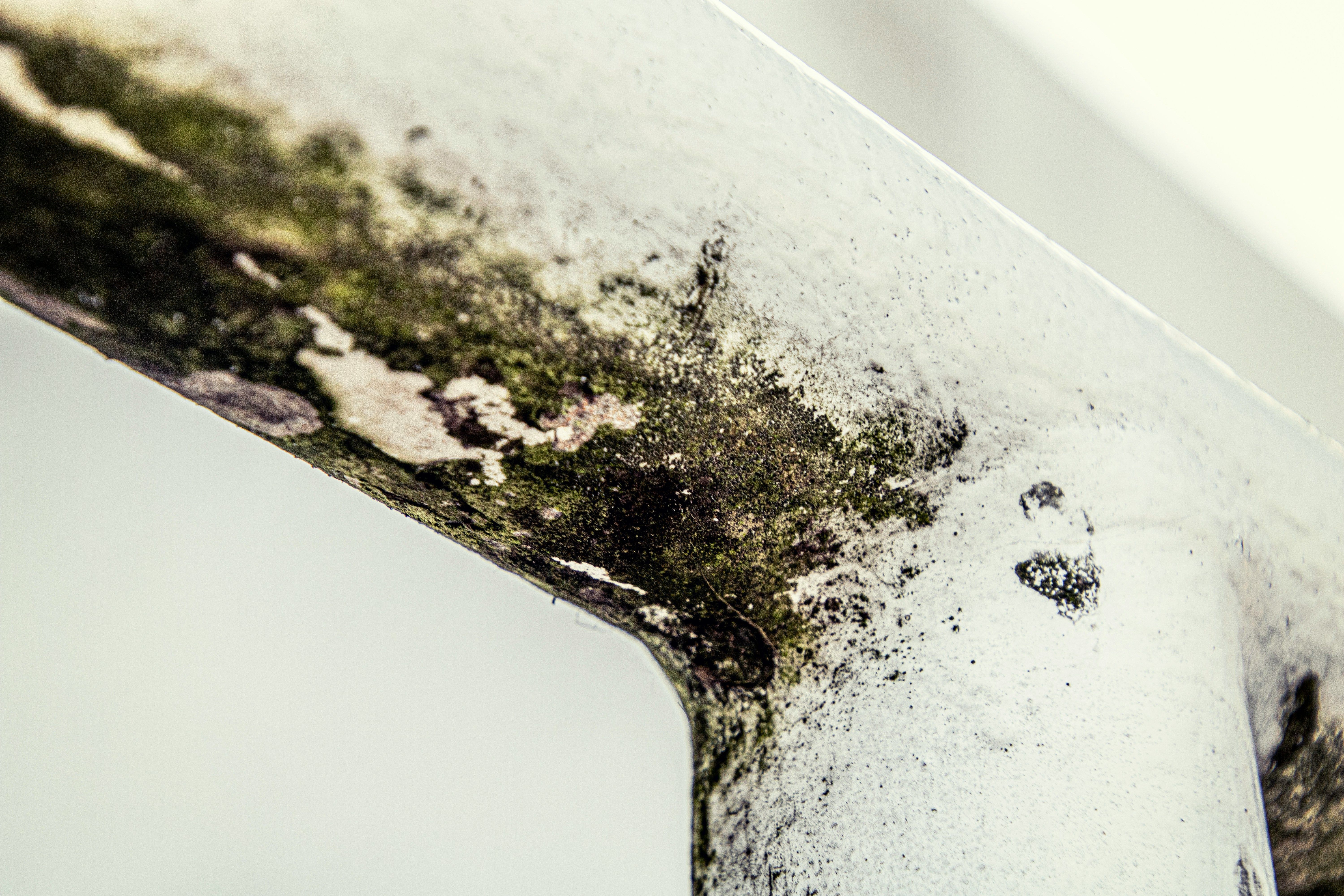
You just got the keys to your new home. A few weeks in, you catch a musty smell in the basement, pull back a corner of carpet, and there it is: mold that clearly did not grow overnight. The question almost everyone asks next is a fair one, and the answer surprises people, so let us walk through what your homeowners policy actually does, what to check before you buy, and what your real options are if pre-existing mold shows up after closing.
Buying a home and reviewing your insurance?
Trailstone can compare homeowners insurance options and explain important water, mold, and deductible provisions before you close.
Here Is the Short Answer
In most cases, a standard homeowners policy will not pay to clean up mold that was already in the house when you bought it. Home insurance is built to cover sudden, accidental, future losses, not pre-existing conditions or slow problems that built up over time. Mold is generally covered only when it results from a covered peril, such as a burst pipe or a storm-driven roof leak, and even then most policies cap the mold payout at 1,000 to 10,000 dollars.
Your strongest protection against pre-existing mold happens before you close, through inspection, testing, and negotiation. If a seller knew about mold and did not disclose it, your recourse usually runs through the seller and real estate disclosure law, not your insurance company.
Why Insurance Treats Mold the Way It Does
Homeowners insurance answers one core question on every claim: was this loss sudden and accidental, or was it gradual and preventable? Insurers pay for the sudden and accidental. They exclude the gradual and the preventable, because those are considered maintenance, not insurable events.
Mold sits right on that line. Mold does not appear on its own. It grows from moisture, and moisture usually has a source. When that source is a sudden covered event, the mold that follows can be covered. When the source is a slow leak, chronic humidity, poor ventilation, or a problem the previous owner left behind, it is treated as a maintenance issue and excluded.
This is the same logic behind other common exclusions you may have seen in our Homeowners Insurance FAQ: normal wear and tear, pest damage, and neglect are not covered, while a sudden kitchen fire or a pipe that bursts overnight generally is.
Not sure what water and mold damage your policy covers?
We can review your homeowners policy and explain which water losses are covered, which are excluded, and what mold limits apply.
When Mold Is Actually Covered
Coverage hinges on what caused the water that led to the mold. If the water came from a peril your policy covers, the resulting mold is often covered, up to a limit. If the water came from something excluded, the mold is excluded too.
Here is how a standard homeowners policy typically responds to common mold situations. Your own policy language, endorsements, and your carrier's claims review always control the final answer.
| Mold Situation | Typically Covered? | Why |
|---|---|---|
| Mold after a burst pipe or overflowing appliance | Usually yes, up to a sublimit | Sudden and accidental water from a covered peril |
| Mold from a storm-driven roof leak or ice dam | Usually yes, up to a sublimit | Water intrusion tied to a sudden weather event |
| Mold that was already in the home when you bought it | No | Pre-existing condition, not a new covered loss |
| Mold from a slow leak you did not address | No | Gradual damage and lack of maintenance |
| Mold from humidity or poor bathroom ventilation | No | Considered a maintenance issue |
| Mold from flooding or rising water | No, needs flood insurance | Flood is excluded from every standard homeowners policy |
| Mold from a construction or builder defect | No | Runs through a builder warranty or defect claim, not insurance |
Two details catch people off guard. First, most policies apply a mold sublimit, which is a separate cap that is far lower than your full dwelling limit. Common sublimits run from 1,000 to 10,000 dollars, so a covered mold claim can still leave you paying the difference on a larger job.
Second, timing matters. Many policies require you to report water damage within 30 days of discovery, and mold can begin growing within 24 to 48 hours of a water event. If you sit on a known leak for weeks, an adjuster may deny the mold as a result of the delay rather than the original event.
Do you know your policy's mold sublimit?
A covered mold loss may still be capped well below your dwelling limit. Trailstone can check your current mold limit and available endorsement options.
The Pre-Existing Problem: Why a New Policy Will Not Cover Old Mold
This is the part that trips up buyers. When you close on a home and start a new homeowners policy, that policy covers losses that happen going forward. It does not reach back in time to cover a condition that already existed on day one.
So if mold has been quietly spreading behind a wall for a year or two, and you discover it after you move in, your brand-new policy is not the answer. The mold predates the policy, and it usually traces back to a source that would have been excluded anyway, such as a long-term leak or humidity. Filing a claim in that situation typically leads to a denial, and denied water or mold claims can follow you and affect future pricing.
That is exactly why the smartest move is to find these problems before you own them. The good news is that this is very doable.
What to Do Before You Buy
Your best protection is not a policy at all. It is due diligence during the inspection period, while you still have leverage to negotiate or walk away.
Start by understanding the difference between two things buyers often confuse. A standard home inspection is a general visual review of the whole house, and while a good home inspector will flag obvious water stains, musty smells, or visible growth, finding mold is not their formal job. A dedicated mold inspection goes further, using a moisture meter to hunt down the source and, when warranted, air and surface sampling that a lab analyzes to identify what is present and how much.
Buying a home with a basement, crawl space, or prior water damage?
Use the inspection period to identify moisture issues before they become your financial responsibility after closing.
Ask for a dedicated mold inspection when there is any reason to. If the home has a finished basement, a crawl space, a history of water damage, or if the general inspection flagged any moisture, a specialized mold inspection is one of the cheapest forms of buyer protection available.
Know what testing adds and what it costs. A visual mold inspection is the foundation. Lab testing is added when the inspector finds suspect areas or when you want documentation of the species and concentration, which is useful for renegotiating or requiring the seller to remediate.
Here are typical 2026 costs so you can budget the right steps. These are national ranges, and your local pricing will vary.
| Step | Typical 2026 Cost | What You Get |
|---|---|---|
| Standard home inspection | 300 to 500 dollars | General visual review; may flag obvious moisture or growth |
| Dedicated mold inspection | 300 to 700 dollars for most homes, about 670 dollars on average | Moisture-source review focused on mold and water intrusion |
| Air or surface lab testing (add-on) | Air samples about 250 to 700 dollars; surface samples about 50 to 300 dollars each | Lab identification of species and spore levels for documentation |
| DIY test kit | 20 to 80 dollars | Limited value; will miss hidden growth and offers no next steps |
| Professional remediation, if needed | 1,500 to 9,000 dollars, more for severe or whole-house jobs | Source repair, containment, removal, and cleanup |
Put that in perspective. A 400 dollar mold inspection during your due diligence period is small against the alternative, which can be tens of thousands of dollars in remediation you discover after you already own the home. When findings come back, buyers commonly use them to reopen negotiations, request a price reduction, or require the seller to remediate and provide a clearance letter from a licensed company before closing.
One more practical tip. Ask your inspector to look closely at any freshly painted patches or new drywall in odd places, especially in basements, closets, and around windows. A quick cosmetic cover-up is one of the most common ways a moisture problem gets hidden right before a sale.
What If You Find Mold After Closing
Say the mold turns up after you already own the home. Since your homeowners policy will not cover a pre-existing condition, your realistic options move into real estate territory rather than insurance.
In most states, sellers are required to disclose known material defects, and many use a standard disclosure form for exactly this purpose. Some states go further and call out mold or water damage specifically. If a seller knew about a mold or moisture problem and failed to disclose it, or actively concealed it, buyers may have grounds to pursue the seller for nondisclosure, misrepresentation, or breach of contract.
Depending on the facts, potential remedies can include recovering remediation and repair costs, and in extreme cases rescinding the sale. The strength of any claim depends heavily on evidence and timing. Common signs a seller knew include prior remediation invoices, past water-damage insurance claims, contractor estimates for moisture repairs, code citations, or that telltale fresh paint over a stained area.
Found mold after closing?
Before filing an insurance claim, confirm whether the damage could qualify under your policy or whether it appears to be a pre-existing condition.
If you suspect concealed mold, move quickly and document everything. Take dated photos, get a professional inspection with lab results, save every invoice and communication, notify the seller in writing, and understand that time limits apply to these claims. Because this involves contract language and state-specific disclosure law, this is a conversation for a licensed real estate attorney, not something to sort out on your own.
This article is educational and is not legal advice. Seller disclosure duties, remedies, and deadlines vary by state, so consult a licensed real estate attorney about your specific situation.
Can You Add Mold Coverage to Your Policy?
Yes, and it is worth asking about, especially if you live in a humid climate or own an older home. Many carriers offer a mold endorsement that raises your sublimit well above the standard cap, sometimes to 25,000 dollars or more. Pricing varies by carrier and the limit you choose.
Keep two things clear, though. First, an endorsement raises the ceiling on covered mold claims. It does not turn an excluded cause, like a pre-existing condition or a maintenance leak, into a covered one. Second, coverage still depends on the underlying event being covered in the first place.
While you are reviewing coverage, it is also smart to check for water backup coverage, which handles a different but related water risk. If you are not sure what your current policy includes, that is exactly the kind of thing we walk through line by line in a review.
Could your mold or water coverage be too low?
Trailstone can review your mold sublimit, water backup coverage, and available endorsements across multiple homeowners insurance carriers.
Frequently Asked Questions
Does homeowners insurance cover mold from a house I just bought?
Generally no. A standard policy covers sudden, accidental, future losses, so mold that already existed when you purchased the home is treated as a pre-existing condition and is not covered.
When does homeowners insurance cover mold?
When the mold results from a covered peril, such as a burst pipe, an appliance overflow, or a storm-driven roof leak. Even then, most policies cap the mold payout at 1,000 to 10,000 dollars unless you add an endorsement.
Is a home inspection the same as a mold inspection?
No. A standard home inspection is a general visual review that may flag obvious moisture or growth, but finding mold is not its formal purpose. A dedicated mold inspection looks specifically for moisture sources and can add lab testing to identify what is present.
Getting ready to close on a home?
We can review your homeowners insurance before closing and explain your water, mold, replacement cost, and deductible provisions in plain English.
How much does a mold inspection cost when buying a home?
For most homes in 2026, a dedicated mold inspection runs about 300 to 700 dollars, with a national average near 670 dollars. Air or surface lab testing adds cost when it is warranted.
Are DIY mold test kits worth it?
They are inexpensive at 20 to 80 dollars, but they only test one spot, miss hidden growth, and give you no plan for next steps. For a home purchase, a professional inspection is the better investment.
Can I make the seller fix mold before I buy?
Often, yes. If an inspection turns up mold, buyers commonly renegotiate the price, request a credit, or require the seller to remediate and provide a clearance letter from a licensed company before closing.
What if I find mold after closing and the seller did not disclose it?
Your recourse usually runs through seller disclosure law rather than insurance. If the seller knew and failed to disclose or concealed the problem, you may have a claim, but this depends on evidence, timing, and state law, so speak with a real estate attorney.
Does flood insurance cover mold?
Mold from flooding is excluded under standard homeowners policies. A separate flood policy may address mold that results directly from floodwater, but coverage is limited and requires proof of cause.
Your Mold and Home-Buying Checklist
- Budget for a mold inspection during due diligence: plan for about 300 to 700 dollars while you still have room to negotiate.
- Order a dedicated mold inspection when the home has risk factors: a finished basement, a crawl space, past water damage, or any moisture flagged in the general inspection.
- Add lab testing when warranted: documented species and levels give you leverage to renegotiate or require remediation.
- Watch for cover-ups: ask your inspector about fresh paint or new drywall in basements, closets, and around windows.
- Use findings before you close: request a price reduction, a repair credit, or seller remediation with a clearance letter.
- Review your policy limits: check your mold sublimit and water backup coverage, and ask whether a mold endorsement makes sense for your home.
- If mold appears after closing, act fast: document everything in writing, get a professional assessment, and consult a real estate attorney about seller disclosure remedies.
What to Do Next
Buying a home is a big step, and mold is one of those risks that feels scary mostly because it is misunderstood. Once you know that inspection and negotiation happen before closing, and that your policy is built for sudden future losses rather than old problems, you can prepare instead of panic.
If you want a clear read on what your policy actually covers, what your mold sublimit is, and whether an endorsement fits your home, reach out to Trailstone through our website at www.trailstoneinsurance.com or give us a call. Trailstone will provide a complimentary review of your insurance and a written summary for your records, so you know exactly where you stand before and after you get the keys.
Want to know exactly what your homeowners policy covers?
Trailstone will review your mold limits, water coverage, endorsements, and deductibles and provide a written summary for your records.
Written by Mark Rodgers, President and Founder, Trailstone Insurance Group
