



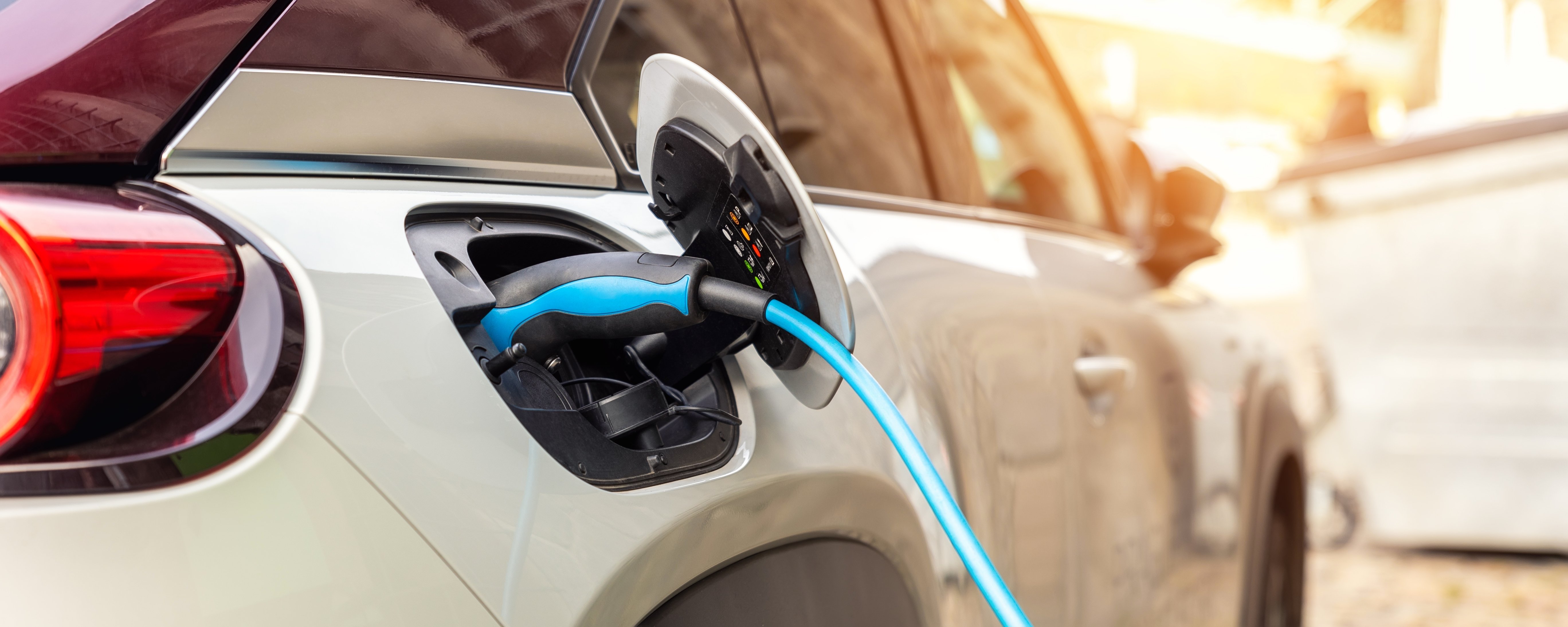
Why EVs Are Making Car Insurance More Expensive
And Why Your Premium May Be Rising Even If You Don’t Drive One
Are your car insurance premiums going up, even though you’ve had no accidents or claims?
Are you wondering if it’s just inflation… or something deeper?
Auto insurance rates are rising nationwide. And while many people assume it’s due to more crashes, that’s not the full story. A major driver of higher premiums right now is the rapid growth of electric vehicles (EVs).
In this article, we’ll explain:
- Why auto insurance rates are increasing
- How EVs are affecting both EV and non-EV drivers
- How insurance companies calculate rates today
- What you can do right now to avoid overpaying
Why Are Auto Insurance Rates Going Up?
Insurance costs are climbing — and quickly. But it’s not because more people are crashing. It’s because it costs significantly more to repair vehicles when they do crash.
1. Vehicles Are More Complex Than Ever
Modern vehicles are built with advanced sensors, driver-assist systems, cameras, radar modules, and integrated safety technology.
What used to be a simple $300 bumper repair can now cost $3,000 or more once calibration, sensors, and electronics are involved.
Even minor accidents require specialized diagnostics and recalibration.
2. Labor Shortages and EV Training Gaps
Repairing electric vehicles requires high-voltage certifications and specialized training. Many repair shops are not fully equipped or certified to work on EVs.
This creates bottlenecks in the repair process and drives labor costs higher.
3. Parts Delays and Supply Chain Pressure
Supply chain issues have not fully disappeared. Delays in sourcing parts extend repair timelines.
Longer repair times increase claim costs due to rental car expenses and storage fees.
4. Rising Manufacturing and Import Costs
Recent tariffs and global manufacturing shifts are increasing the cost of vehicle components, especially imported batteries and EV parts.
When parts cost more, claims cost more. And when claims cost more, premiums rise.
What If You Don’t Drive an EV?
You might assume this only affects Tesla or other EV owners.
It doesn’t.
As electric vehicles become more common on the road, the probability of being involved in an accident with one increases — even if you drive a traditional gas-powered car.
Insurance companies must account for:
- EV battery replacement costs ($10,000–$20,000 or more)
- Specialized repair requirements
- Higher total-loss frequency due to expensive battery damage
Even moderate collisions can result in total losses when battery systems are impacted.
That risk gets spread across the insurance pool — meaning everyone shares in the increased cost.
Whether you drive a Tesla or a 2012 Toyota, you feel the impact.
How Insurance Rates Are Calculated Today
Many drivers ask: “If I haven’t changed anything, why did my premium go up?”
The reason is simple.
Insurance pricing today is based on more than your driving record.
It includes:
Zip Code Trends
Repair costs, accident frequency, theft rates, and litigation trends in your area directly impact your premium.
Vehicle Complexity
Newer vehicles — even safer ones — cost more to repair. More sensors equal higher claim severity.
Carrier-Specific Data Models
Every insurance company uses its own proprietary rating formula.
This is why one carrier may quote $1,800 for the same coverage another carrier prices at $2,900.
Your premium is less about you individually and more about how your risk fits into a rapidly evolving market.
Are EV Owners Being Penalized?
Short answer: yes — but not because insurers dislike EVs.
It comes down to predictability.
Insurance companies rely heavily on historical data to price risk. EVs are still relatively new at scale. There simply is not enough long-term data to create stable projections.
When insurers face uncertainty, they price conservatively.
EVs are not necessarily more dangerous. They are just:
- Harder to price accurately
- More expensive to repair
- More likely to result in total losses when damaged
As more claims data becomes available and repair networks expand, pricing should stabilize.
But for now, EV premiums are typically higher — and those costs influence the broader insurance market.
What You Can Do Right Now
You cannot control global repair costs. But you can control how your risk is priced.
Here’s what we recommend:
- Shop multiple carriers — pricing models vary significantly
- Review deductibles and coverage structure
- Ask about telematics or usage-based discounts
- Bundle policies when appropriate
- Work with an independent agency that understands carrier appetite
Not all insurance companies evaluate EV risk the same way.
At Trailstone, we work with more than 40 carriers. We compare pricing models, underwriting trends, and coverage structure to help you find the right fit — not just the cheapest option.
Bottom Line
Auto insurance premiums are rising because vehicle repairs are more expensive — and electric vehicles are accelerating that trend.
Even if you do not drive an EV, the growth of EVs affects the entire insurance pool.
If your rates have increased and you want to understand whether you're paying too much, reach out. We’ll review your current policy, explain your options in plain English, and document our recommendations so you can make a confident decision.
Insurance is evolving. Make sure your strategy evolves with it.
Topics:
