

OEM Parts and Auto Insurance: What “Original” Really Means
March 23rd, 2026
3 min. read
By Mark Rodgers
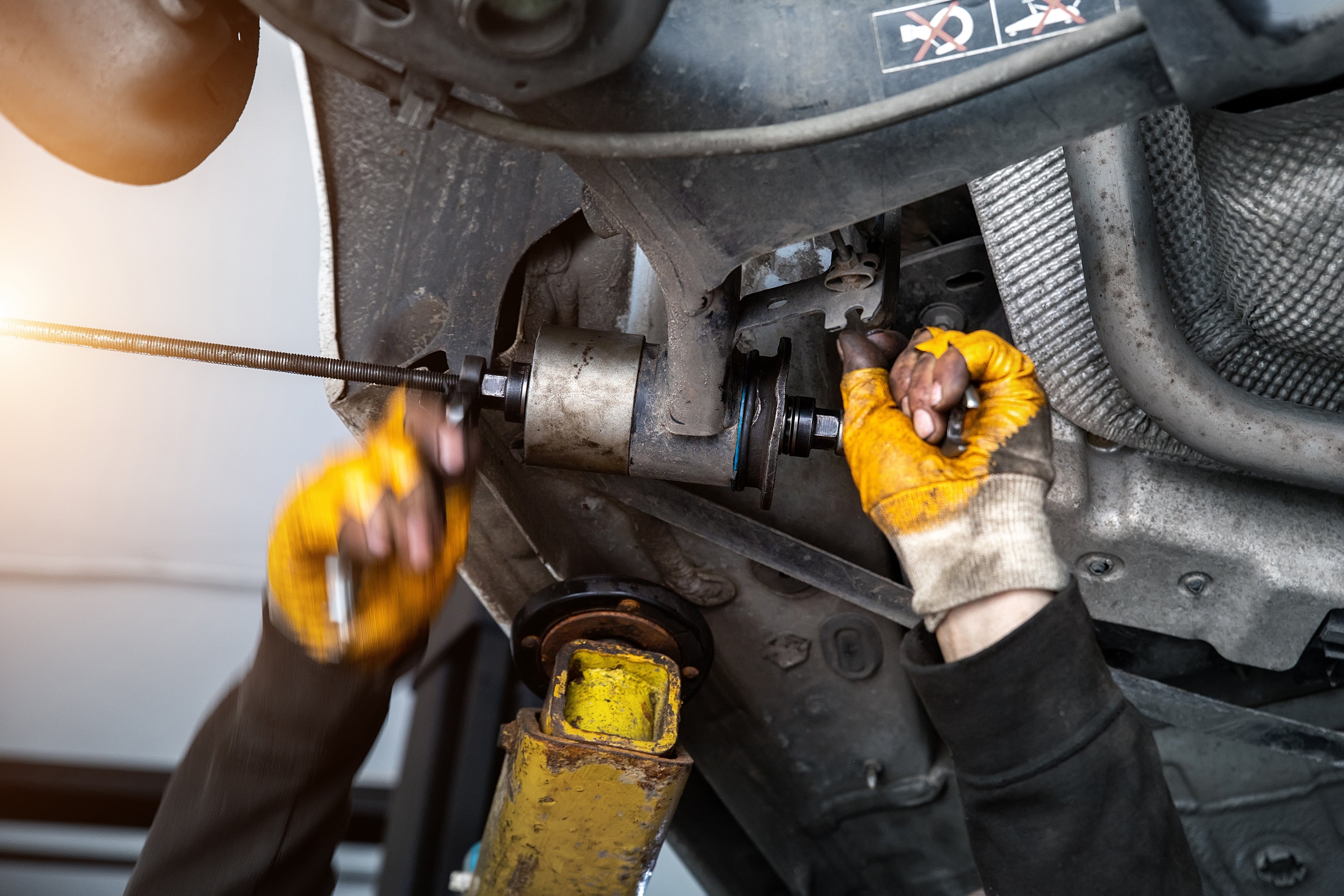
If you drive a newer vehicle, a luxury brand, or anything you plan to keep for a while, you have probably wondered this at some point:
“If I get in an accident, will my insurance pay for OEM parts?”
It’s a fair question. And it’s also one of the most misunderstood parts of auto insurance.
Because “OEM” sounds simple until you realize:
- Some “OEM” parts do not even have the car brand’s logo on them.
- Many policies can legally use non-OEM parts in certain situations.
- Some insurers offer an OEM endorsement, some don’t.
- Even with an OEM endorsement, OEM parts may not be available as your car gets older.
At Trailstone, we teach before we sell. We explain the why first, then the what. We move fast, act smart, and we document everything so you can make decisions confidently and reduce surprises later.
So let’s break this down like a normal person, not like a policy form.
By the end of this article, you will know:
- What OEM is (and what it is not)
- Why a “Volkswagen” or “Bosch” stamp can still be “OEM” in the real world
- How insurance companies decide what parts go on an estimate
- What an OEM endorsement usually does (and the fine print that matters)
- When OEM is worth paying extra for (and when it may not be)
- How to ask for the coverage you want, before a claim happens
This is educational and general information. Coverage details vary by company and state, and the policy language always wins.
Quick story: the moment people start caring about OEM
Most drivers do not think about parts until they are staring at an estimate.
You have an accident. The shop writes the repair plan. You see a line item that says something like “Aftermarket fender” or “Recycled door shell.”
Then your brain does what every normal brain does:
- “Is that safe?”
- “Will it fit right?”
- “Will my car drive the same?”
- “Is my resale value getting hit?”
Those questions are not dramatic. They are responsible.
And they are exactly why OEM endorsements exist.
What does OEM actually mean?
OEM stands for Original Equipment Manufacturer.
In practice, OEM parts are approved by the company that made your vehicle and are often identical to what the car originally came with.
However, many OEM parts are manufactured by third-party suppliers such as Bosch, Denso, or Magna.
This is why some OEM parts may not have your car brand’s logo on them.
Sometimes the exact same part can exist in different packaging, which adds to the confusion.
OEM vs Aftermarket vs Recycled vs Remanufactured
- OEM parts: Built to original specifications and typically more expensive.
- Aftermarket parts: New parts made by other manufacturers.
- Used/recycled parts: Parts taken from other vehicles.
- Remanufactured parts: Rebuilt or restored components.
Many insurance policies allow a mix of these parts to restore a vehicle to pre-loss condition.
“Legal” does not always mean “what you expected”
Most policies are designed to restore your vehicle to its pre-loss condition, not necessarily to replace everything with brand-new OEM parts.
Aftermarket parts are commonly used because they can be less expensive while still meeting functional standards.
The rules vary by state
State regulations often require that non-OEM parts meet standards for fit, quality, and safety.
However, the rules and disclosures vary, which is why understanding your specific policy matters.
What is an OEM endorsement?
An OEM endorsement is optional coverage that helps ensure repairs use original manufacturer parts when available.
Different insurers may call it:
- OEM Parts Coverage
- Original Parts Replacement
- Original Equipment Manufacturer Coverage
Most endorsements apply only if the parts are available and may have eligibility limits based on vehicle age.
When OEM parts matter most
- Newer vehicles
- Luxury or performance vehicles
- Vehicles with advanced safety systems
- When protecting resale value is important
- Lease agreements or strict repair expectations
When OEM might not matter as much
- Older vehicles
- Primarily cosmetic repairs
- Short-term ownership plans
The “older car” reality
As vehicles age, OEM parts may become unavailable, discontinued, or backordered.
Even with OEM coverage, availability can limit what parts are used.
How to read your repair estimate
Ask for a detailed estimate that clearly labels part types:
- OEM (new or reconditioned)
- Aftermarket
- Recycled/used
- Remanufactured
Ask these key questions:
- Which parts are non-OEM?
- Are any safety-related?
- Will calibration be required?
- What is the cost difference for OEM?
- What happens if OEM parts are unavailable?
What to ask your agent before a claim
- Is OEM coverage available for my vehicle?
- What are the eligibility rules?
- Does it require comprehensive and collision coverage?
- What does “when available” mean?
- What happens if OEM parts cannot be sourced?
Do you need OEM coverage?
You may want it if:
- You drive a newer vehicle
- You value fit, finish, and resale
- You want fewer claim disputes
- You want to avoid paying the difference for OEM parts
The key is to decide before a claim happens.
How Trailstone helps
At Trailstone, we help clients match coverage to real-life expectations.
- Identify carriers that offer OEM options
- Explain limitations clearly
- Compare cost vs benefit
- Document your decisions
If you want, send us your declarations page and vehicle details. We will explain:
- Whether OEM coverage is available
- What it costs
- Whether it fits your situation
Final thought
“OEM” is not a magic word.
It’s a repair expectation.
If that expectation matters to you, choose a policy that supports it before you ever need to use it.
