



Does Travel Insurance Cover Flight Delays from the Government Shutdown?
April 2nd, 2026
9 min. read
By Mark Rodgers
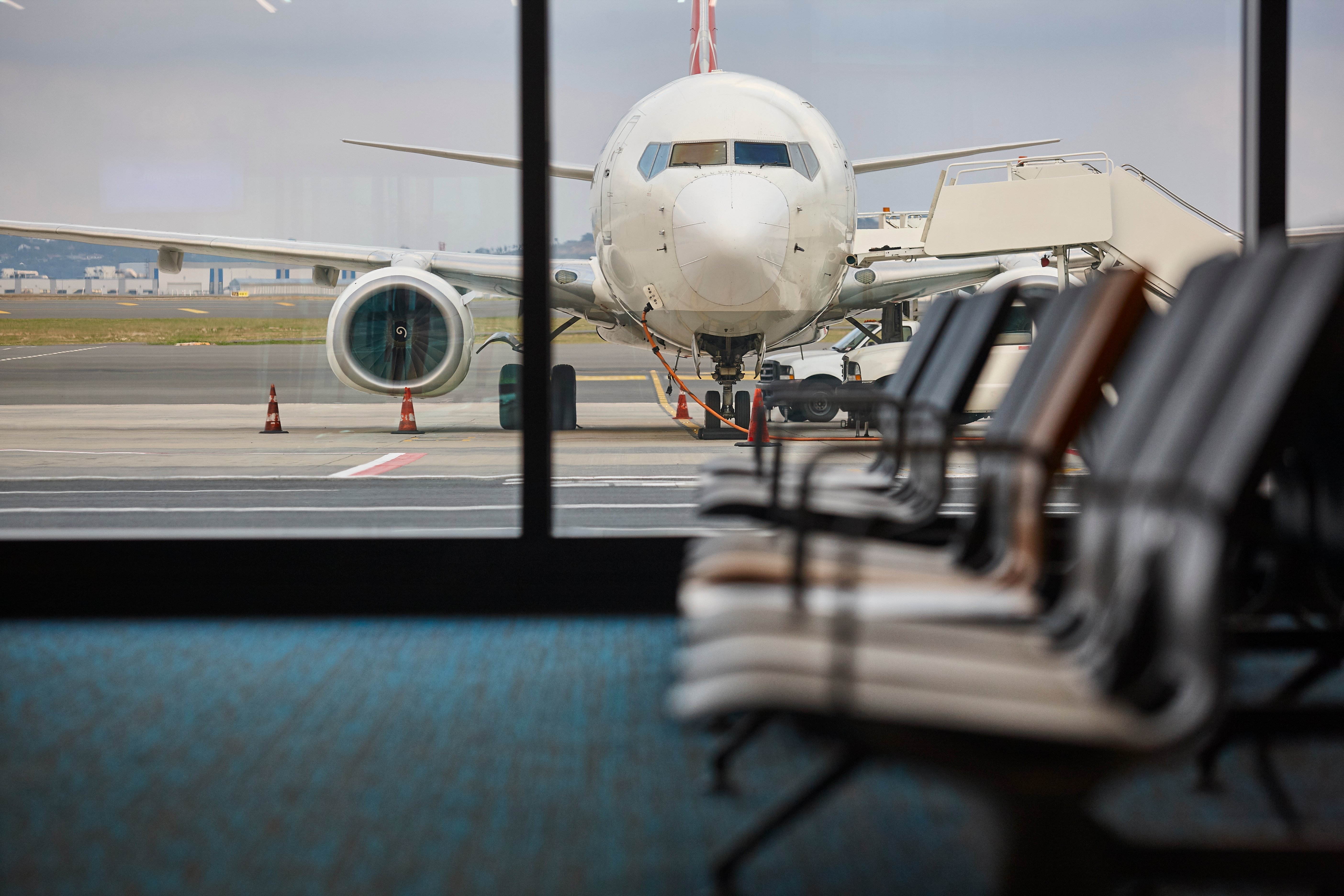
You booked your spring break flights months ago. The hotel is paid for. The kids are out of school. And now you are watching the news, seeing two-hour security lines at airports across the country, hundreds of TSA agents walking off the job, and ICE officers showing up at terminals for the first time. The question landing in our inbox and ringing our phones this week is simple: if my flight gets canceled or delayed because of all this, does travel insurance help me?
The short answer is: it depends on your policy, when you bought it, and how the airline categorizes the disruption. This post will walk you through exactly what travel insurance covers, where the gaps are during a government shutdown, and what steps you can take right now to reduce surprises before your next trip.
What Is Happening at Airports Right Now
The Department of Homeland Security has been in a partial government shutdown since February 14, 2026. TSA officers, the people responsible for screening every passenger and bag at every commercial airport in the country, are classified as essential workers. That means they are required to keep showing up. The problem is, they are not getting paid.
As of this week, more than 400 TSA officers have quit their jobs since the shutdown began. Callout rates at some of the busiest airports in the country have reached record levels. At Hartsfield-Jackson Atlanta International Airport, more than a third of screeners were absent earlier this week. In Houston, more than half of TSA staff called out sick during one stretch last week. Security lines at airports including JFK in New York, Phoenix Sky Harbor, and Fort Lauderdale have stretched past two hours at times, with some passengers missing their flights entirely.
On Monday, March 23, ICE agents were deployed to airports in Atlanta, New York, and other major cities to assist with crowd control and door guarding, freeing up remaining TSA officers to focus on passenger screening. The TSA officers' union has raised concerns that ICE agents are not trained or certified in aviation security screening, and the situation remains fluid.
Spring break travel is adding pressure on top of the staffing shortages. Transportation Secretary Sean Duffy has warned publicly that if TSA workers miss another paycheck, which could happen as early as next week, the disruptions could become significantly worse. Some officials have suggested that smaller airports may need to temporarily close if staffing continues to decline.
This is the environment travelers are walking into right now.
How Travel Insurance Works: The Basics
Before we talk about the shutdown specifically, it helps to understand how travel insurance is structured. Most comprehensive travel insurance policies include three main protections that matter for flight disruptions.
Trip delay coverage reimburses you for out-of-pocket expenses you incur when your travel is delayed for a covered reason. That can include meals, hotel stays, local transportation, and personal necessities like toiletries or medication. Most policies require the delay to last a minimum of 3 to 12 hours before coverage kicks in. Reimbursement limits typically range from $100 to $500 per day, depending on the plan.
Trip cancellation coverage reimburses your prepaid, nonrefundable trip costs if you need to cancel your trip before departure for a covered reason. This can include airfare, hotel reservations, cruise bookings, tour packages, and similar expenses.
Trip interruption coverage applies when you have already started your trip and need to cut it short or extend it unexpectedly because of a covered event. It can reimburse unused, prepaid costs and cover additional expenses like a last-minute flight home.
The key phrase in all three of those descriptions is "covered reason." Every travel insurance policy lists specific events, sometimes called "named perils," that qualify for reimbursement. And this is where things get nuanced during a government shutdown.
What Travel Insurance Typically Covers During Flight Disruptions
In normal circumstances, travel insurance covers flight delays and cancellations caused by things like severe weather, mechanical failures, airline crew shortages, and similar operational problems. These fall under what the industry calls "common carrier" disruptions, meaning the airline or transportation provider caused or contributed to the problem.
Here is the important distinction during a shutdown: if your airline cancels or delays your flight and attributes it to a common carrier issue, your travel insurance policy may cover you the same way it would for any other airline-caused disruption. This is true even if the real underlying reason is a staffing shortage caused by the shutdown.
Think of it this way. If the airline says your flight was canceled due to "operational reasons" or "crew scheduling," and your policy covers common carrier delays, you may have a valid claim for meals, hotel stays, and other covered expenses during the delay.
Where the Gaps Are: What Travel Insurance Does Not Cover During a Shutdown
Here is where many travelers are getting caught off guard. There are several common shutdown-related scenarios where standard travel insurance will not help.
Missing your flight because of long TSA lines. If you arrive at the airport and the security line is three hours long and you miss your departure, that is generally not covered by travel insurance. TSA is not considered a common carrier, and long security lines, even when caused by a staffing crisis, are treated as a foreseeable travel inconvenience rather than a covered event.
Canceling your trip to avoid potential disruptions. If you look at the news and decide you would rather not deal with the chaos, a standard travel insurance policy will not reimburse your nonrefundable costs. Choosing not to travel because of a known situation is not a covered reason under most policies.
Delays caused specifically by TSA staffing shortages. If the airline attributes your delay to TSA-related issues rather than their own operational problems, your claim may be denied. The distinction matters. A delay caused by the airline is typically covered. A delay caused by a government agency is typically not.
Buying a policy after the shutdown was announced. Most travel insurance policies are designed to cover unforeseen events. Since this shutdown began on February 14, 2026, and has been widely reported, it is now considered a known event. If you purchase a standard travel insurance policy today, the shutdown itself is likely excluded from cancellation and interruption coverage.
This is one of the most important takeaways in this entire post: the timing of when you purchase your policy matters enormously.
The "Cancel for Any Reason" Option
There is one type of coverage that can protect you even from known events like a government shutdown. It is called Cancel for Any Reason, or CFAR.
CFAR is an optional upgrade available on select comprehensive travel insurance plans. It allows you to cancel your trip for any reason, including reasons not listed in your policy, and receive partial reimbursement, typically 50 to 75 percent of your prepaid, nonrefundable trip costs.
There are a few important conditions. You generally must purchase CFAR within 14 to 21 days of making your initial trip deposit. You typically must cancel at least 48 hours before your scheduled departure. And the reimbursement is partial, not full.
CFAR does add to the cost of your policy. On average, adding CFAR increases your travel insurance premium by about 40 to 60 percent compared to a standard comprehensive plan. But for travelers booking expensive trips during an uncertain period, that added cost can be well worth the flexibility.
A related option is Interruption for Any Reason, or IFAR, which works similarly but applies after your trip has already started.
How Much Does Travel Insurance Cost?
One of the most common questions we hear is whether travel insurance is even affordable. The answer, for most travelers, is yes.
Comprehensive travel insurance typically costs between 4 and 10 percent of your total prepaid, nonrefundable trip costs. For a $3,000 family vacation, that translates to roughly $120 to $300 for a policy. For a $5,000 trip, expect to pay somewhere between $200 and $500 depending on your age, destination, trip length, and coverage level.
Basic plans that focus primarily on medical coverage while traveling cost less, often starting around $125 for a $5,000 trip. Premium plans with higher coverage limits and optional add-ons like CFAR run closer to $345 or more for the same trip value.
The average travel insurance premium in 2026 is approximately $307 per policy, covering an average trip length of about 15 days. That works out to roughly $20 per day of coverage.
For context, if your $4,000 vacation gets canceled and you have no coverage, you are absorbing that entire loss. A $200 insurance policy that reimburses most of those nonrefundable costs changes the math considerably.
What You Should Do Right Now If You Have Travel Coming Up
Whether you already have a trip booked or you are planning one in the coming weeks, here are the steps we recommend.
Review your existing travel insurance policy carefully. Look at the specific language around trip delay, trip cancellation, and trip interruption. Pay attention to what qualifies as a "covered reason" and what the minimum delay requirement is before coverage kicks in. If you are not sure what your policy says, call your insurance provider and ask directly.
Check your credit card benefits. Many premium travel credit cards include complimentary trip delay or trip cancellation coverage. However, several major card issuers have already confirmed that their embedded travel benefits will not cover delays caused by the government shutdown or FAA-related staffing issues. The covered reasons on credit card policies are often narrower than standalone travel insurance, typically limited to equipment failure, weather, labor strikes, and similar events.
If you do not have travel insurance yet, purchase a comprehensive policy as soon as possible. Even though the shutdown is a known event, other unforeseen events, like a medical emergency, severe weather, or a mechanical failure, are still fully covered by a new policy. And if you buy within the time-sensitive window, you may still qualify for CFAR coverage, which could protect you regardless of the reason for canceling.
Build extra time into your airport arrival. This is not an insurance tip, but it is a practical one. TSA wait times are unpredictable right now. Travel experts and airport officials are recommending that passengers arrive at least three hours before domestic flights and plan for the possibility that PreCheck lines could be closed unexpectedly. Download your airline's app, opt in to flight status notifications, and check the FAA's National Airspace System Status site before heading to the airport.
Document everything if you experience a disruption. Keep every receipt for meals, hotel stays, transportation, and other expenses incurred during a delay. Save confirmation emails from your airline showing the reason for the delay or cancellation. Take screenshots of flight status boards. Good documentation is the foundation of a successful insurance claim.
Understand what the airline owes you separately from insurance. Under federal law, airlines are required to refund your ticket if they cancel your flight and you choose not to travel. Some airlines also provide meal vouchers or hotel accommodations for delays within their control, though policies vary by carrier. Your travel insurance is designed to cover what the airline does not.
Frequently Asked Questions
Q: Does travel insurance cover flight delays caused by the government shutdown? A: It depends on how the airline categorizes the disruption. If the airline attributes the delay to a common carrier issue, such as an operational or crew-related problem, your policy's trip delay coverage may apply. If the delay is attributed directly to TSA staffing shortages, it is typically not covered under standard policies.
Q: Will travel insurance pay for my hotel if I am stuck at the airport overnight? A: Yes, if the delay meets the minimum time threshold in your policy, usually 3 to 12 hours, and is caused by a covered reason. Trip delay coverage can reimburse you for hotel stays, meals, local transportation, and personal necessities during the wait.
Q: I bought my policy before the shutdown started. Am I covered for shutdown-related cancellations? A: You may be. Policies purchased before the shutdown was announced on February 14, 2026 may cover shutdown-related disruptions as an unforeseen event, depending on your specific policy language. Review your plan documents or contact your insurer to confirm.
Q: Can I buy travel insurance now and be covered for the shutdown? A: A standard policy purchased today will likely not cover cancellations or delays caused directly by the shutdown, since it is now a known event. However, a policy with Cancel for Any Reason coverage can still protect you, as long as you purchase it within the required time window after your initial trip deposit.
Q: What is the difference between trip delay and trip cancellation coverage? A: Trip delay coverage reimburses out-of-pocket expenses you incur while waiting for your delayed travel to resume, like meals and hotels. Trip cancellation coverage reimburses your prepaid, nonrefundable trip costs if you need to cancel the entire trip before departure for a covered reason.
Q: Does travel insurance cover me if I miss my flight because the TSA line was too long? A: Generally, no. Long security lines are not considered a covered event under most travel insurance policies. Arriving early is the best way to reduce this risk.
Q: How much does Cancel for Any Reason coverage cost? A: CFAR typically adds 40 to 60 percent to the cost of a standard comprehensive plan. For a $5,000 trip, that might mean paying an additional $100 to $200 on top of your base premium. It must be purchased within 14 to 21 days of your first trip deposit.
Q: Will my credit card's travel insurance cover shutdown-related delays? A: In most cases, no. Several major credit card issuers have confirmed that their embedded trip delay and cancellation benefits do not cover disruptions caused by the government shutdown or air traffic control shortages. Credit card travel benefits typically only cover a narrow list of events like weather, equipment failure, and labor strikes.
Q: Does Trailstone Insurance Group sell travel insurance? A: Yes. Trailstone has access to 40-plus insurance carriers and can help you find the right travel insurance policy for your situation. We serve clients in Colorado, Arizona, Utah, Oregon, Washington, Idaho, and Kansas, and we are happy to walk you through your options and help you understand exactly what your policy covers.
Q: What should I do first if my flight is delayed or canceled? A: Start with your airline. Ask for rebooking, refund options, and any vouchers they offer. Then contact your travel insurance provider to report the disruption and begin the claims process. Keep all receipts and documentation from the moment the delay begins.
Trailstone's Recommendations
- Review your current travel insurance policy before your next trip. Look at covered reasons, delay thresholds, and reimbursement limits.
- Purchase travel insurance early when booking a trip, ideally within 14 to 21 days of your first deposit, to qualify for time-sensitive benefits like CFAR and pre-existing condition waivers.
- Consider Cancel for Any Reason coverage if you are booking travel during uncertain periods. The added cost is modest relative to the flexibility it provides.
- Arrive at the airport at least three hours early for domestic flights until the shutdown is resolved.
- Download your airline's app and opt in to flight notifications so you can react quickly to changes.
- Keep every receipt and document every disruption if you experience a delay or cancellation. Good records make the claims process smoother.
- Ask your agent about travel insurance options that fit your trip, your budget, and your comfort level with risk.
Next Steps
If you have a trip coming up and you are not sure whether you are covered, or if you want to explore travel insurance options before your next booking, reach out to Trailstone via our website at www.trailstoneinsurance.com or give us a call. We will walk you through your options, help you understand what your policy covers, and make sure you are not leaving protection on the table.
Trailstone will provide a complimentary review of your insurance and a written summary for your records. That way, you know exactly where you stand before you head to the airport.
Written by Mark Rodgers, President and Founder, Trailstone Insurance Group
Topics:
